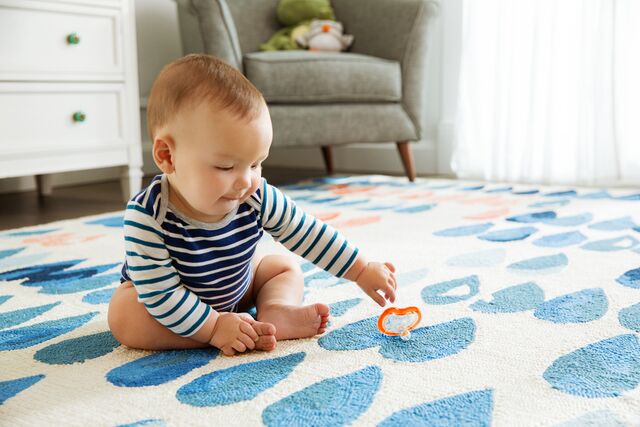
Welcoming a newborn into your life is an incredible experience, and as your baby grows, so does their curiosity and desire to explore. One significant developmental milestone that parents eagerly await is when their little one starts crawling. In this blog post, we’ll delve into the common questions: When do babies start crawling? What age do babies crawl? And, most importantly, what can you do to support and encourage your baby’s crawling journey?
When do babies start crawling?
The timeline for when babies start crawling can vary widely. While some babies begin to crawl as early as six months, others may take until their tenth or eleventh month to master this skill. It’s essential to recognize that every baby develops at their own pace, and there’s a broad range of normalcy.
The process usually begins with a series of physical developments. Babies typically go through a progression of skills, starting with lifting their heads during tummy time, then pushing up on their hands and knees, and finally coordinating their movements to propel themselves forward.
Babies develop motor skills at their own pace, influenced by factors such as muscle strength, coordination, and individual temperament. While it’s natural to be excited about each new milestone, it’s equally crucial to remain patient and allow your baby the time they need to navigate their developmental journey.
When to help baby crawl
While many babies learn to crawl on their own, there are ways you can encourage and support their efforts. Here are some tips on when and how to help your baby crawl:
- Tummy time – Start tummy time early in your baby’s life. Placing your baby on their stomach helps develop neck, shoulder, and arm muscles – essential for crawling. Begin with short sessions, gradually increasing the duration as your baby becomes more comfortable.
- Create a safe environment – Clear a space on the floor free of obstacles, allowing your baby ample room to move and explore. Use colourful and engaging toys to capture their interest and motivate them to move towards the toys.
- Encourage crawling positions – Gently place your baby on all fours, supporting their weight on their hands and knees.
- You can use a soft cushion or a rolled-up blanket under their tummy to provide additional support.
- Mirror play – Babies are often fascinated by their own reflections. Placing a baby-safe mirror in front of them can encourage them to crawl towards their own image.
- Parental involvement – Get down on the floor with your baby during tummy time or crawling practice. Your presence and encouragement can be a significant motivator.
- Use crawling toys – Place toys just out of reach, encouraging your baby to move towards them. Consider toys that move or make sounds to capture their attention.
- Stay attuned to your baby’s signals – Pay attention to your baby’s cues. If they seem frustrated or fatigued, take a break and try again later. Remember that the goal is not to rush your baby’s development but to provide a supportive environment that encourages exploration and movement. Every baby is unique, and their journey to crawling will unfold in its own time.
Think about safety gates
Safety gates may well be something you want to consider at this early stage, as babies can start crawling and exploring sooner than you might expect! Gates on stairs are a must, at both the top and bottom. At the top, we suggest having a wall attached safety gate as these don’t create a trip hazard that can occur with a pressure fit gate.
While the best safety gate for the top of stairs is wall-mounted, pressure fit safety gates are ideal for the bottom of stairs and across doorways. It’s a good idea to use these to keep living room or bedroom doorways secured so that baby doesn’t leave the area if you get momentarily distracted.
Learning how to install a safety gate on stairs properly is crucial for ensuring your baby’s safety. Our comprehensive guide covers the best safety gates for the top of stairs and tips for a secure installation.
What to do when they do start crawling
Once your baby embarks on the exciting journey of crawling, it’s time to ensure their newfound mobility is safe and enjoyable. Here are some essential steps to take:
- Supervise closely
Keep a watchful eye on your crawling baby, especially in the beginning when they are still mastering control and coordination.
- Create a safe crawling space
Designate a safe area where your baby can explore without encountering hazards. Use soft play mats to cushion falls.
- Encourage independence
Allow your baby to explore and learn on their own. Resist the urge to intervene too quickly, as this can hinder their developing sense of independence.
- Celebrate their achievements
Applaud and celebrate each milestone your baby achieves. Positive reinforcement helps build their confidence and encourages further exploration.
- Provide opportunities for interaction
Arrange playdates with other crawling babies to foster social interactions. This can contribute to their overall development.
The journey to crawling is a thrilling phase in your baby’s life. By understanding that development unfolds at its own pace and by providing a supportive environment, you can enhance your baby’s confidence and enjoyment during this exciting time. Cherish each moment, celebrate their achievements, and savour the joy of watching your little one navigate the world on their own terms.
Interested in learning more about when babies start crawling and how to keep them safe as they explore? Check out our blog for expert tips on the best safety gates for the top of stairs, or listen to our StrollerCoaster podcast for more advice on baby milestones and home safety!
Leave a Reply